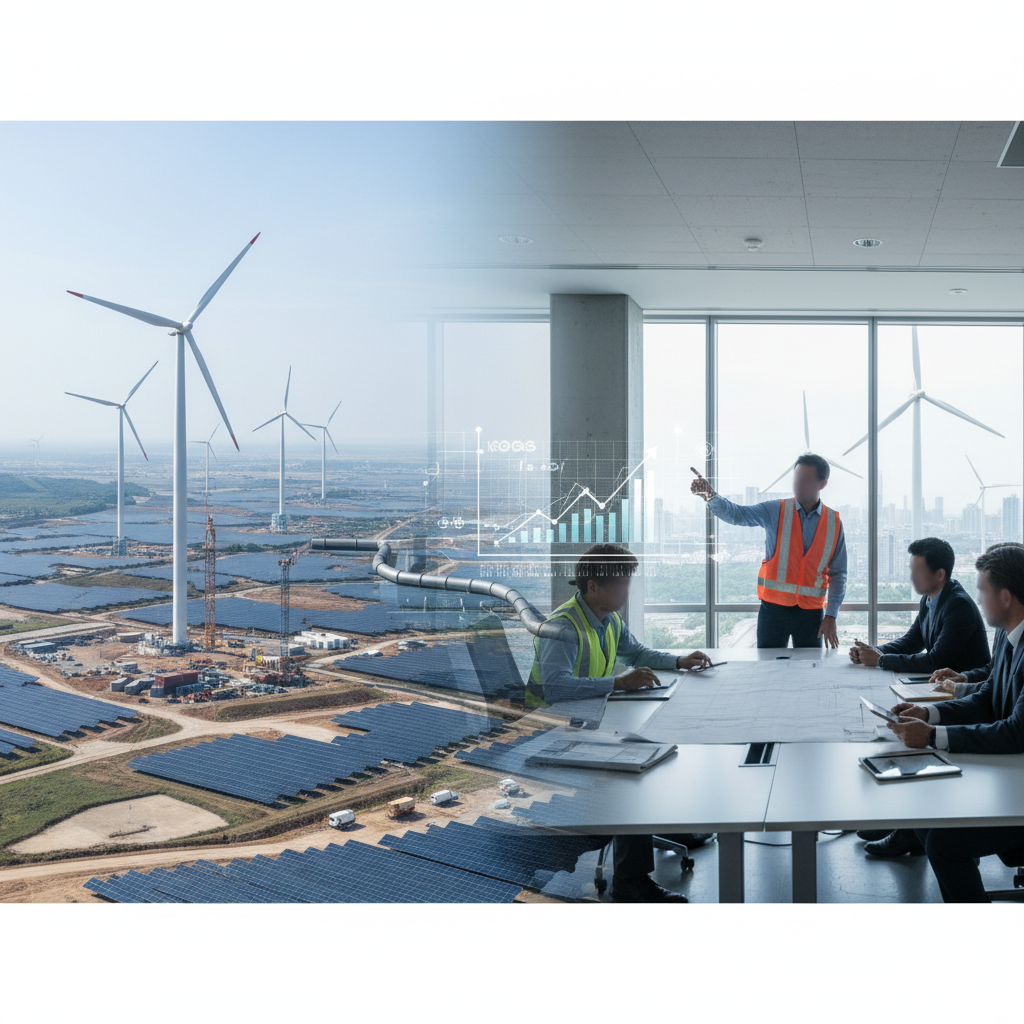
Meta's AI Proficiency Mandate: A Game-Changer for AEC Talent Acquisition
In November 2025, Meta announced a significant shift in its internal evaluation system: starting in 2026, all employees will be assessed based on their ability to utilize artificial intelligence tools effectively. This move underscores the growing importance of AI proficiency across all sectors, including the Architecture, Engineering, and Construction (AEC) industry. (financialexpress.com)
This development is particularly impactful for AEC firms in the Southeastern United States, including Florida, Georgia, North Carolina, South Carolina, and Tennessee. As AI becomes integral to project design, management, and execution, the demand for professionals equipped with AI skills is intensifying.
The Rising Demand for AI Skills in AEC
The AEC industry is experiencing a paradigm shift, with AI technologies increasingly embedded in project workflows. Firms are leveraging AI for tasks such as:
-
Automating repetitive administrative tasks: Streamlining documentation, formatting, and data entry processes.
-
Enhancing design decision-making: Utilizing AI-assisted analysis to inform early-stage design choices.
-
Improving research and workflow support: Employing AI assistants for efficient information gathering and process optimization.
For instance, Gensler, a leading architecture firm, employs AI for real-time rendering and scenario modeling, while Turner Construction uses AI to mine and analyze data from internal warehouses, streamlining the drafting of numerous trade contracts. (bdcnetwork.com)
AI Skills: A Competitive Edge in AEC Recruitment
The integration of AI into AEC projects has led to a surge in demand for professionals with AI competencies. Job postings requiring AI skills have increased by 312% since January 2024, and candidates listing AI proficiency on their profiles receive 47% more recruiter outreach. (metaintro.com)
In the Southeastern U.S., firms are actively seeking talent with expertise in AI tools and methodologies. Roles such as Project Managers, Design Engineers, and Construction Managers are now expected to demonstrate proficiency in AI applications relevant to their specific project types, including infrastructure, data centers, semiconductor fabs, healthcare facilities, multifamily housing, and transportation systems.
The Impact of AI on AEC Salaries and Career Advancement
Professionals with AI skills are commanding higher salaries. Workers with AI competencies earn up to 56% more than their peers in identical roles. (metaintro.com) This premium is particularly notable in specialized areas such as prompt engineering and MLOps, where demand has surged by 136% and median salaries reach $165,000, respectively.
In Florida, Georgia, North Carolina, South Carolina, and Tennessee, AEC firms are offering competitive compensation packages to attract and retain AI-skilled professionals. For example, a Project Manager with expertise in AI-driven project management tools like Revit and Primavera P6 can command a salary premium of up to 20% over peers without such skills.
Challenges and Opportunities in AI Integration for AEC Firms
While the adoption of AI presents numerous benefits, it also poses challenges for AEC firms:
-
Skill Gaps: A significant barrier to AI adoption is the lack of skilled personnel. A 2025 survey of over 2,200 construction industry professionals identified this as the most cited obstacle. (trimble.com)
-
Training and Development: Firms must invest in training and upskilling staff to effectively integrate AI solutions. This includes providing education on interacting with AI tools, interpreting AI-generated insights, and applying new capabilities to their roles.
To address these challenges, AEC firms are implementing strategic frameworks for AI adoption, which involve:
-
Assessing Readiness: Evaluating data infrastructure, technology integrations, and workforce skills.
-
Pilot Projects: Starting with manageable AI initiatives to test solutions with minimal risk.
-
Building an AI-Ready Workforce: Investing in continuous learning and fostering a culture of experimentation and collaboration. (trimble.com)
A Surprising Insight: AI as a Catalyst for Human-Centric Roles
A common misconception is that AI will replace human roles in the AEC industry. However, AI is more likely to augment human expertise, allowing professionals to focus on complex problem-solving and creative aspects of projects. For example, AI can handle repetitive tasks, enabling engineers and architects to dedicate more time to innovative design and strategic planning. (bdcnetwork.com)
Conclusion: Embracing AI in AEC Talent Acquisition
The mandate for AI proficiency, as exemplified by Meta's recent policy change, is reshaping recruitment strategies across industries, including AEC. Firms in Florida, Georgia, North Carolina, South Carolina, and Tennessee must adapt by:
-
Integrating AI Competencies into Job Descriptions: Clearly outlining AI skills as essential qualifications for new hires.
-
Offering Competitive Compensation: Providing attractive salary packages to attract AI-skilled professionals.
-
Investing in Training and Development: Ensuring current staff are equipped with the necessary AI skills to remain competitive.
By proactively embracing AI, AEC firms can enhance efficiency, foster innovation, and maintain a competitive edge in the evolving market.
For assistance in navigating this transition and accessing top AI-skilled talent, consider partnering with Luxus Group.
Luxus Group Research Team
AEC Industry Research