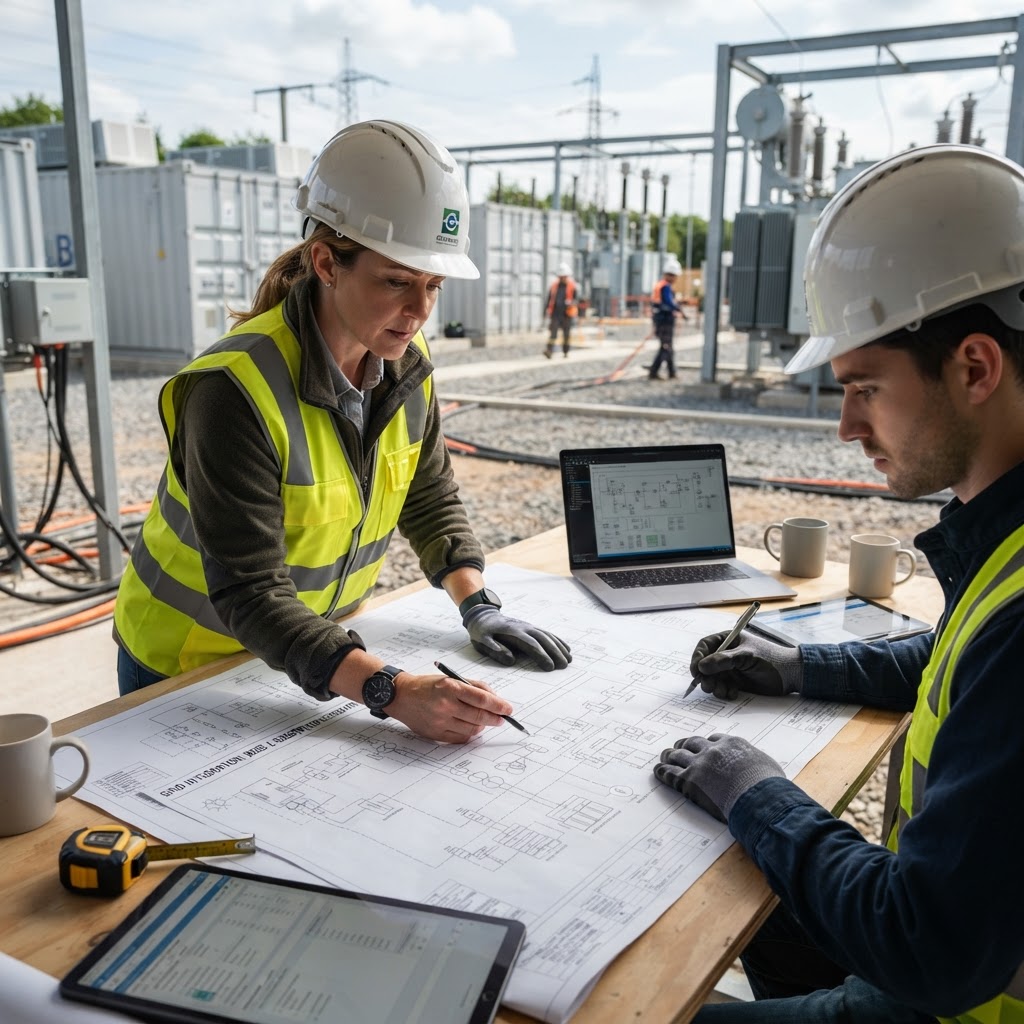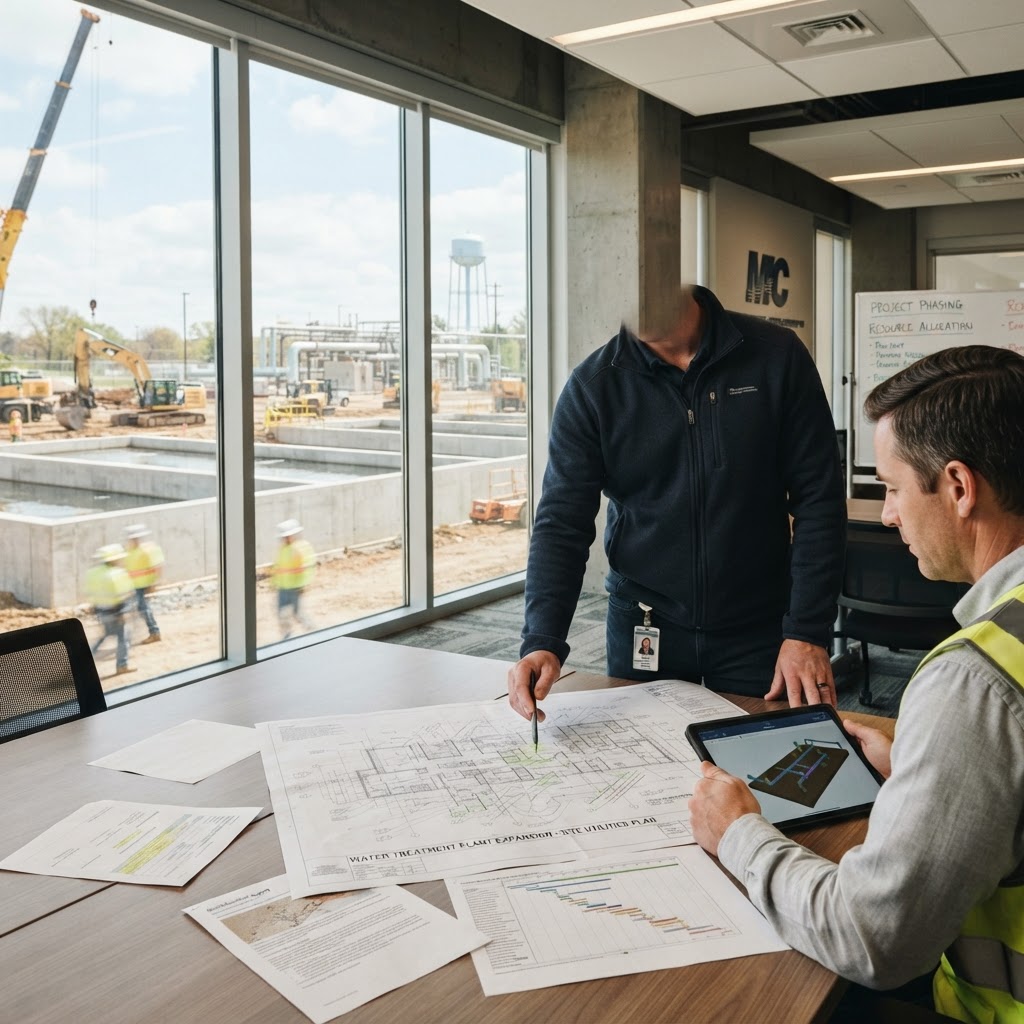
The construction landscape is undergoing a tectonic shift. According to the latest data, the Associated Builders and Contractors' backlog indicator has fallen to 8.8 months, signaling a cooling period for private-sector commercial projects. For general contractor executives and infrastructure firm leadership, this number is not just a statistic—it is a clear mandate to pivot. While office, retail, and certain segments of multifamily housing projects face headwinds, the public works and utility sectors remain robust. As highlighted in Infrastructure Construction Demand in 2026, need-driven projects like water, sewer, and power systems are attracting significant funding. To capitalize on this, your firm must master a new level of AEC talent acquisition, moving away from generic commercial management toward specialized leadership capable of navigating complex public-sector environments.
The Shift from Commercial to Critical Infrastructure
Transitioning your project management workforce is easier said than done. Commercial construction and public infrastructure require two distinct leadership paradigms. In the private sector, speed to market and budget-driven decision-making are paramount. In the public and utility sectors, the priorities are regulatory compliance, stakeholder management, and environmental mitigation. We are seeing a surge in demand for leaders who possess a PMP certification and deep expertise in government contracting.
General contractors who continue to lean on talent whose primary experience lies in vertical, non-essential commercial projects will likely find their backlogs drying up. Instead, leaders must proactively identify project managers with a history of navigating water and wastewater projects, as these roles currently command premiums in states like Texas, Florida, and California. If your firm is not actively mapping its recruitment toward civil and environmental engineering backgrounds, you are missing the primary growth engine for the next three years.
Why Public Works Recruitment Demands a New Skill Set
Unlike standard high-rise construction, infrastructure projects require a granular understanding of utility corridors, environmental impact reports, and public procurement laws. A senior project manager leading a highway expansion or a large-scale water treatment facility must be fluent in Primavera P6 for complex scheduling and hold a valid PE license to sign off on mission-critical engineering decisions.
Furthermore, the complexity of these projects necessitates a higher degree of soft-skill mastery. Leaders must know how to communicate with municipal boards, community stakeholders, and various regulatory bodies. This is not the type of experience one gains on a typical commercial build. When you evaluate candidates, look for those who have navigated the stringent safety requirements akin to those set by the American Petroleum Institute (API) or those who have managed complex multi-party utility tie-ins. The ability to manage these high-stakes relationships is what separates a successful infrastructure project lead from a failing one.
Contrarian Insight: The Value of 'Legacy' Technical Expertise
There is a prevailing belief that digital-native project managers are the only solution to modern construction efficiency. However, in the realm of water, wastewater, and utility infrastructure, technical legacy expertise—the ability to interpret decades-old blueprints and navigate historical site issues—is significantly undervalued. Firms often overlook candidates with 20+ years of tenure who possess a deep, intuitive understanding of site conditions that digital tools might miss.
By blending this experienced veteran expertise with modern tools like Revit and BIM, you create a leadership team that is virtually untouchable by competitors. Don’t just hire for technical certification; hire for the wisdom of having seen a project through from pre-construction through to the final regulatory sign-off. Firms that ignore this nuance are missing a critical opportunity to stabilize their backlogs during this market volatility. To understand how these specialized roles are currently priced, explore AEC salary benchmarks to ensure your compensation packages are competitive.
Designing an Effective AEC Hiring Strategy for 2026
Your strategy for construction management leadership must prioritize long-term stability over short-term project fillers. This means shifting your internal focus from reactive hiring to proactive talent pipeline building. Are you reaching out to engineers who have specialized in environmental and public works for the past decade, or are you waiting for them to apply to a job board?
To build a truly resilient team, your AEC hiring strategy should incorporate:
- Targeted outreach to professionals with LEED AP or OSHA 30 certifications who have demonstrated project longevity.
- A structured interview process that tests for regulatory navigation skills, not just job site supervision.
- Career mapping that highlights the long-term potential of public infrastructure projects, such as the 10-to-15-year lifecycles of major water treatment upgrades or energy grid modernization.
As the market dynamics evolve, you can stay informed by ensuring you view the AEC Talent Index to keep your finger on the pulse of the industry.
Retaining the 'Hard-to-Replace' Infrastructure Expert
Retaining your top talent in the infrastructure sector requires a different approach than in commercial construction. Because these projects are inherently more stressful due to the public oversight and strict regulatory deadlines, professionals often suffer from project-based burnout. Leadership must focus on creating a culture that values professional development, such as supporting ongoing certifications or providing the resources for advanced training in civil and environmental technology.
If your firm relies on public works for stability, you cannot afford the turnover of your key project leads. When an expert in water and wastewater projects leaves, they often take years of institutional knowledge and critical municipal relationships with them. If you suspect your firm is at risk of losing top-tier talent, it is time to submit your search to align your recruitment needs with current market data and talent availability.
Conclusion: Capitalizing on the Infrastructure Surge
The drop in the commercial construction backlog to 8.8 months serves as a wake-up call for leadership. The future of AEC growth lies in resilient, need-driven infrastructure. By pivoting your firm’s focus toward specialized public works recruitment and investing in construction management leadership that understands the nuances of water and utility systems, you can ensure sustained growth through 2026 and beyond.
Focusing on the right certifications and cultivating deep technical expertise will position your firm at the forefront of the industry. The opportunity to dominate this space is open for those willing to pivot their AEC hiring strategy today.
Key Insight: Infrastructure projects are inherently different from commercial builds because they are governed by public scrutiny and long-term regulatory compliance. Successfully pivoting your firm requires hiring for relationships and technical patience, not just site-speed metrics.
Sources & Further Reading
- ABC Construction Backlog Indicator Falls in June - ENR, July 2026.
- Infrastructure Construction Demand in 2026: Where Durable Work Still Lives - The Birm Group, July 2026.
- The Business of Architecture - American Institute of Architects (AIA).
Luxus Group Research Team
AEC Industry Research