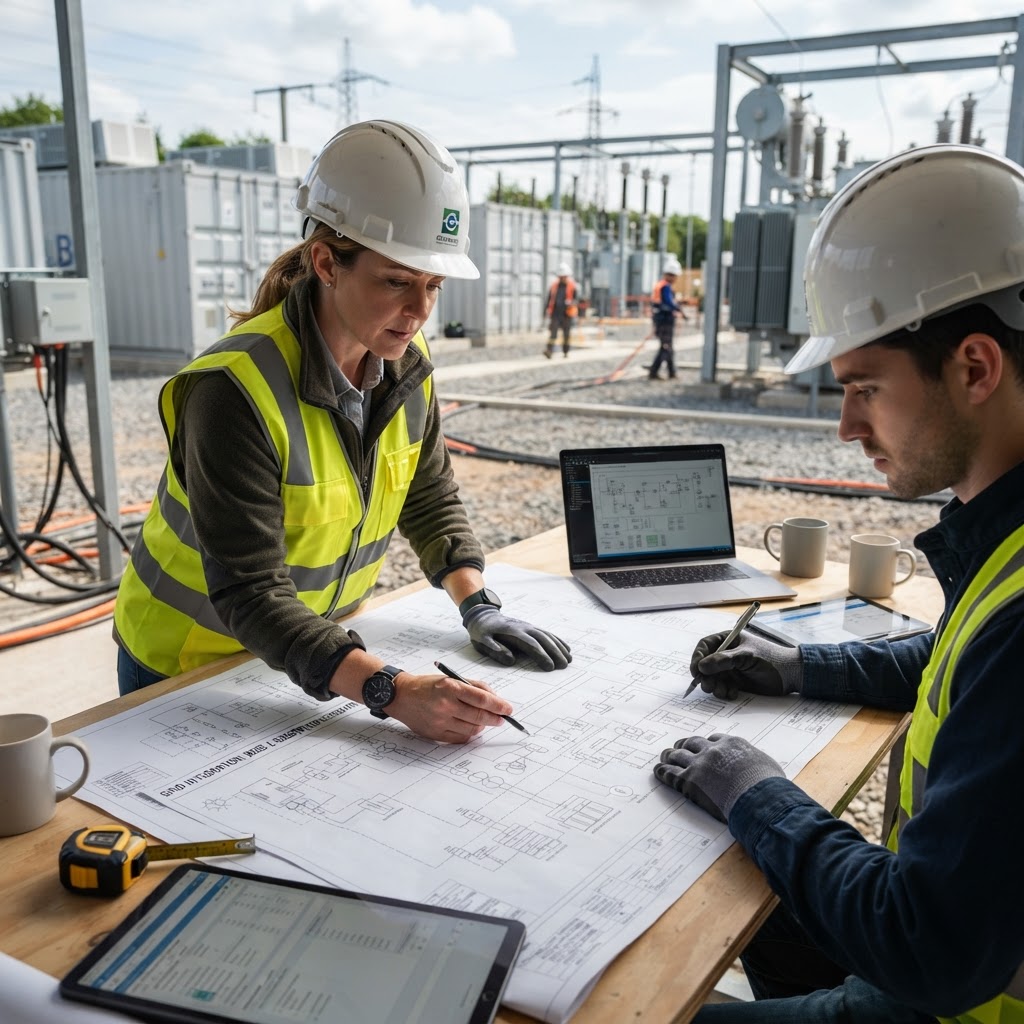
The Infrastructure Paradox: Why Your Capital Budget Is Missing a Critical Line Item
The most dangerous bottleneck in the 2026 energy landscape isn't the availability of steel, copper, or long-lead electrical components—it is the catastrophic shortage of specialized human capital. With an unprecedented surge in data center energy demand, the requirement for a massive technical workforce has become the single most significant constraint on grid modernization. Analysts estimate that 750,000 new workers will be required by 2030 to meet U.S. power grid expansion demands, yet many utility executives continue to treat talent as a reactive "HR issue" rather than a proactive capital expenditure. According to recent reporting, Utility Workforce Strategy Must Have a Place Alongside Generation, Transmission and Capital Planning, firms that fail to align their workforce planning with their physical generation and transmission budgets are finding their expansion timelines systematically derailed. In this environment, the infrastructure you design is only as reliable as the specialized team you recruit to operate and maintain it.
The Bifurcated Market: Where the Talent War Is Being Won and Lost
We are currently witnessing a deeply bifurcated market. While private commercial office construction cools, the sector for critical infrastructure—specifically those projects supporting power systems engineering and industrial-scale data centers—is operating at a fever pitch. Recent federal data highlights this, noting that Construction Employment Increases in 33 States and DC, a shift largely driven by massive public and private infrastructure spending. However, the Q2 2026 Update: What the Mid-Year Numbers Actually Show underscores a reality that many leaders are struggling to digest: while project dollars are plentiful, the availability of specialized salaried talent is at an all-time low. Firms capable of executing complex EPC (Engineering, Procurement, and Construction) tasks are struggling to fill high-level roles for transmission line design, substation construction management, and environmental permitting. If your current AEC infrastructure hiring strategy relies on legacy recruitment tactics, you are likely already six months behind your competitors in securing the talent necessary for your 2027 project milestones.
Why Human Capital Planning Must Replace 'Just-in-Time' Recruitment
For decades, the energy sector operated on a 'just-in-time' recruitment model, viewing headcount as a fluid expense that could be ramped up when a project secured its final investment decision (FID). That strategy is now obsolete. The current complexity of grid modernization talent requirements demands a level of foresight that few boards possess. Today, an experienced Transmission Line Engineer with a PE license and proficiency in PLS-CADD or a Substation Project Manager with PMP and Primavera P6 expertise is not merely an employee; they are a project-critical asset as vital as the transformer itself. Without these individuals, even the most well-funded projects face significant delays in permitting, design, and commissioning. You can submit your search requirements to our team, but the deeper strategic imperative is to integrate these roles into your initial multi-year capital budget. When talent procurement is treated as a core component of your generation and transmission strategy, you shift from playing defense to securing the human infrastructure needed for sustained growth.
The most common failure in 2026 energy project delivery is the assumption that talent is a commodity. It is not. The specialized knowledge required to integrate massive data center loads into an aging grid is a finite, high-demand resource that cannot be hired in a vacuum. Successful firms are now recruiting for project portfolios, not individual job openings.
The Certification Gap: What Technical Proficiency Looks Like in 2026
Utility executives often express frustration that they cannot find "good candidates." When we dig into the specifics, the gap is almost always found in the intersection of specialized certifications and real-world project experience. For infrastructure projects ranging from renewable energy solar farms and pipelines to large-scale semiconductor fabs, the market is demanding a specific set of tools and credentials. Leaders are prioritized who hold an OSHA 30 for safety compliance, and engineers who demonstrate mastery in BIM-related workflows like Revit for structural coordination. Beyond these, the ability to manage multifaceted utility projects—where water treatment systems often overlap with power delivery requirements—requires leaders who understand the nuances of civil/structural/MEP integration. The Dodge Construction Network frequently reports on the rising complexity of these mega-projects. If your hiring process isn't specifically targeting professionals who have lived through the lifecycle of a high-voltage substation or a major transmission build, you are effectively paying a premium for "onboarding time" rather than immediate operational output. The American Council of Engineering Companies (ACEC) has continuously pointed to the need for modernized workforce development, yet the delta between available skills and project demand continues to widen.
Contrarian View: Is Your Retention Strategy Actually Hurting Your Growth?
Most firms focus on retention as a tool to prevent attrition, but in the current high-growth climate, aggressive retention can sometimes become a cage that limits your operational agility. While it is vital to keep your top performers, failing to provide them with a clear path to manage these massive new infrastructure initiatives—often involving high-stakes roles in new metro hubs like Austin, Phoenix, or Northern Virginia—can lead to stagnant talent. Paradoxically, the firms winning the race for talent are those that embrace transparency about the challenges of these projects. They are not just offering competitive compensation; they are offering "career-defining" portfolios. When you align your utility workforce strategy with the growth aspirations of your best engineers, you reduce the likelihood of them jumping to the next data center developer. Compensation is the baseline; mission-critical, career-advancing project work is the differentiator.
Taking Action: From Budgeting to Building
The path forward requires a fundamental recalibration of your business model. To avoid the project-killing bottlenecks that characterized 2025, your firm must take three immediate steps. First, move talent acquisition into your executive-level budget reviews; if you cannot prove you have the human capital to build a project, you shouldn't be committing to the capital expenditure. Second, audit your technical tools—ensure your teams are utilizing the latest in Primavera P6, Revit, and grid-modeling software—to ensure they are as efficient as possible, effectively "multiplying" your current talent. Third, foster partnerships with specialized recruiting entities that understand the nuanced technical requirements of the power sector. We invite you to view the AEC Talent Index to compare your current compensation packages against the market averages for these high-demand roles. By treating your specialized workforce as the foundation of your grid expansion, you secure your role in the future of the energy transition rather than being left behind by its complexity. The transition to a smarter, more robust grid is already underway—the only question is whether your team is ready to build it.
Sources & Further Reading
- Utility Workforce Strategy Must Have a Place Alongside Generation, Transmission and Capital Planning
- Construction Employment Increases in 33 States and DC
- Q2 2026 Update: What the Mid-Year Numbers Actually Show
- Dodge Construction Network
- American Council of Engineering Companies (ACEC)
Luxus Group Research Team
AEC Industry Research