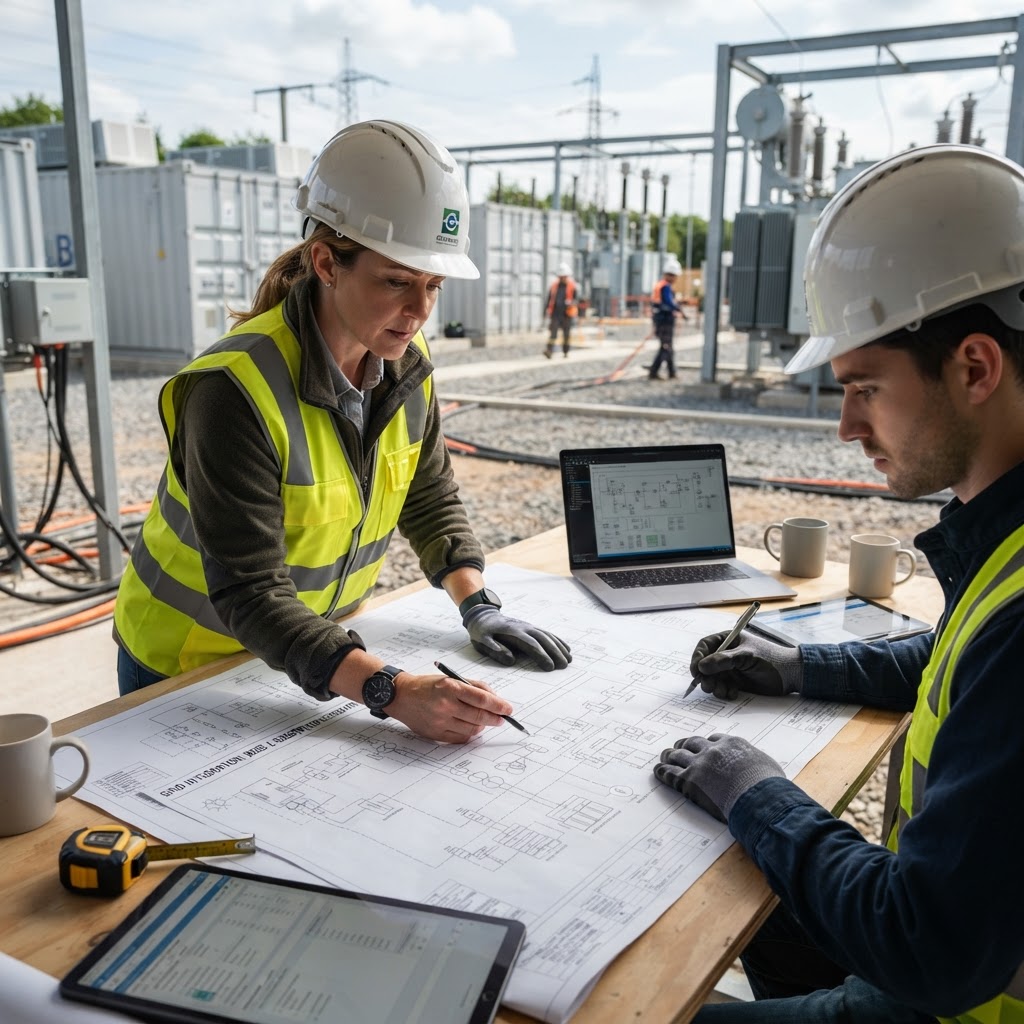
The U.S. renewable energy landscape is currently defined by a paradox: historic investment levels are being stifled by a structural inability to field enough qualified personnel. According to recent data, the industry is bracing for a staggering 53,000-worker deficit by late 2026, a shortfall that threatens to derail critical 60 GW to 70 GW installation targets. As firms scramble to meet federal tax credit milestones, they are finding themselves in a high-stakes tug-of-war for the same pool of specialized technical talent that is being aggressively courted by neighboring power and infrastructure sectors.
The Anatomy of the 53,000-Worker Shortage
The solar industry currently supports over 280,000 workers, yet this figure must climb to 355,000 to keep pace with project timelines, according to the latest IREC National Solar Jobs Census. This is not merely a numbers game; it is a qualitative crisis. Solar employers report that 86% of hiring efforts are now categorized as 'difficult,' with nearly half of firms struggling specifically to secure mid-level technical roles and experienced project leadership. The primary friction point lies in the intersection of traditional civil engineering requirements and modern, complex energy systems—such as high-voltage integration and sophisticated SCADA architectures—that require a level of specialization now in high demand across all utility-scale power projects.
Competing in a Crowded Energy Talent Market
Unlike previous years, solar firms are no longer just competing with each other. They are increasingly battling for talent against other high-demand infrastructure sectors. Professionals with PMP certifications, Revit expertise, or Primavera P6 scheduling mastery are being lured toward massive semiconductor fabrication builds, high-speed rail projects, and water treatment infrastructure developments. When a senior electrical engineer is courted by a solar firm and a major grid-scale storage developer simultaneously, the decision often comes down to the clarity of the career path. Firms that fail to articulate how their mission directly contributes to long-term grid stability or local energy independence lose out to competitors offering higher initial compensation premiums.
"The talent gap is most pronounced for roles requiring specific certifications—PE, LEED AP, or OSHA 30—where the supply of qualified professionals has not kept pace with the rapid growth of large-scale renewable infrastructure."
Rethinking Technical Talent Acquisition
To bridge the gap, leaders must move beyond transactional recruiting. Traditional hiring strategies are failing because they rely on generic job descriptions that do not account for the unique pressure of current EPC project lifecycles. Successful firms are now submitting their searches to focus on 'transferable expertise.' Instead of searching for the mythical 'perfect solar candidate,' they are building internal training pipelines to transition mechanical engineers from oil and gas or civil engineers from public works into specialized solar roles. This shift requires a robust internal mentorship framework where seasoned site supervisors can pass down domain-specific knowledge to younger engineers faster than industry standards previously dictated.
Strategies for Skilled Labor Retention
Retention is the new growth engine. When firms lose a lead solar developer or a specialized field engineer, they aren't just losing a body—they are losing the institutional knowledge required to navigate complex permitting and interconnection landscapes. Our AEC Talent Index shows that professionals are increasingly prioritizing 'project stability' over short-term salary bumps. If you can demonstrate that your firm has a robust pipeline of multi-year infrastructure projects, you drastically reduce the risk of poaching. Offering clear career mapping—showing a path from a field engineer to a project director within five years—is a potent defensive strategy against the poaching tactics of competing energy sectors.
Navigating the 2026 Regulatory Surge
The pressure to secure labor is compounded by the regulatory landscape, specifically requirements tied to apprenticeship utilization and prevailing wage standards. Many firms are struggling to maintain compliance while simultaneously scaling. The most successful organizations are partnering with local trade schools and unions, integrating workforce development directly into their bid proposals. When you treat talent development as a fundamental component of your EPC strategy, rather than an HR afterthought, you insulate your projects from the volatility of the broader labor market. Explore AEC salary benchmarks to ensure your compensation packages are not just competitive, but attractive enough to deter external recruiters from targeting your mission-critical staff.
Moving Forward: Building a Resilient Future
The solar sector will continue to see increased load on its workforce as electricity demand climbs. While the 53,000-worker shortfall presents a real threat, it also serves as a catalyst for professionalization. Firms that invest in comprehensive onboarding, cross-training, and transparent career advancement will thrive in this environment. The firms that survive and lead in 2026 and beyond are those that stop viewing talent as a commodity to be purchased and start viewing their workforce as a strategic asset to be cultivated and retained. As you evaluate your current staffing gaps and project requirements, focus on these fundamental pillars of recruitment: deep domain expertise, a clear mission, and a commitment to long-term professional development.
Sources & Further Reading
- Competition grows for U.S. solar industry workforce
- US solar faces 53,000-worker gap ahead of 2026 deadline
- Dodge Construction Network
- American Council of Engineering Companies (ACEC)
Luxus Group Research Team
AEC Industry Research