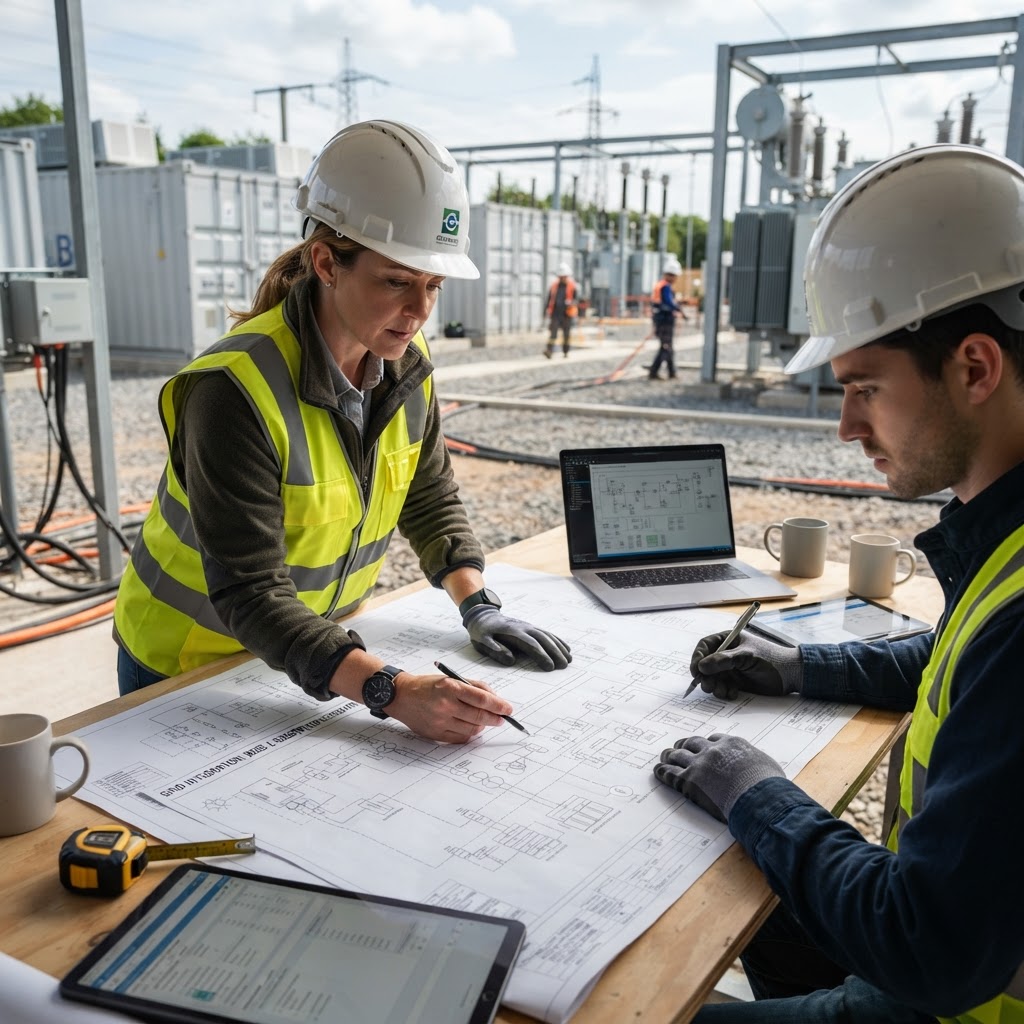
The 3-to-1 Reality: Why Your Poaching Strategy is Burning Capital
In the current landscape of renewable energy and large-scale infrastructure, the math is sobering: for every qualified professional available, there are three active project roles demanding their expertise. As firms scramble to meet aggressive utility-scale solar and battery storage deployment targets, the competition for commissioning engineers has reached a fever pitch. According to recent industry analysis, the renewable energy sector is experiencing a rapid surge in hiring where licensed professionals are effectively being held hostage by massive project backlogs. Relying on external recruitment or poaching from competitors is no longer a sustainable strategy—it is a race to the bottom that drives up salary inflation without solving the core technical talent gap.
The Complexity of Grid Integration and the 'Missing Middle'
Modern infrastructure, particularly regarding grid-connected energy storage, requires a high level of cross-disciplinary knowledge. We are no longer talking about standard electrical distribution; we are looking at sophisticated battery management systems (BMS), high-voltage interconnection, and complex automation protocols. The energy storage workforce is currently feeling the strain because the industry lacks a pipeline of 'mid-level' talent—those engineers with 5–10 years of experience who can bridge the gap between initial design and final operational handover. In regions like Houston, Phoenix, and Charlotte, where utility-scale projects are concentrated, the cost to lure a senior commissioning specialist can exceed $160,000, yet even at these price points, retention is precarious. You can explore AEC salary benchmarks to see how these localized premiums are distorting regional markets and complicating budget forecasts for EPC project executives.
Why External Recruiting is Failing EPC Firms
When you approach hiring as a procurement exercise, you assume the talent you need exists on the open market in sufficient quantity. This is a fundamental misunderstanding of the current AEC workforce shortages. The talent required for complex grid integration is often 'sticky'—these professionals are deeply embedded in long-cycle, high-stakes projects like semiconductor fabs or mission-critical data centers. When these projects hit a pause, the talent is immediately absorbed by another internal department or a competing infrastructure firm. By the time a candidate enters the external recruiting pool, they are already being courted by five other firms offering signing bonuses and remote-work packages that your firm might not be structured to accommodate. Your reliance on headhunting is essentially funding the wage inflation that makes your own future bids less competitive.
The most significant risk to your 2026 deployment goals isn't a lack of capital or supply chain constraints; it is the structural inability to staff the technical commissioning phases that unlock revenue-generating grid connections.
Shifting to Internal Upskilling as a Talent Hedge
If the market does not provide enough seasoned professionals, you must create them. A structured talent upskilling program is no longer an HR 'nice-to-have'—it is the only viable hedge against the volatility of the external labor market. The most forward-thinking firms are currently re-evaluating their bench strength. They are taking their existing civil and electrical engineers—those with a solid foundation in Revit, Primavera P6, or AutoCAD—and providing them with specific, accelerated technical certifications. By incentivizing staff to pursue a PE license if they haven't already, or training them in specific energy storage integration protocols, you build institutional knowledge that stays within your firm. This strategy creates a 'retention multiplier' effect; employees who see a clear, structured path to becoming senior-level commissioning engineers are statistically far less likely to leave for a marginal salary increase elsewhere. You can view the AEC Talent Index to understand how firms that prioritize internal development are outperforming those stuck in the poaching cycle.
Bridging the Gap: Tactical Steps for HR and EPC Leadership
To move away from the 'hiring-first' mentality, you must integrate project scheduling with human capital planning. If you know you have three large-scale solar farms in the pipeline for 2027, you should be identifying your future commissioning leads today.
- Audit Internal Competencies: Use NCEES — Licensure Statistics as a baseline to evaluate your current team's credentialing potential.
- Cross-Pollination: Rotate field engineers into commissioning roles under the mentorship of your existing senior talent.
- Modernize Requirements: Shift the focus from 'years of experience' to 'project competency.' Does your current applicant have the OSHA 30 training, or the ability to navigate complex utility interconnections in a specific region? If they have 70% of the core competencies, that is a prime candidate for a 6-month internal upskilling track.
As noted in the 2026 Workforce Planning Guide, the North American clean energy workforce is experiencing a massive structural realignment. The firms that adapt to this reality will define the infrastructure of the next decade, while others will be left bidding on projects they lack the personnel to deliver.
Conclusion: Investing in Your Future Pipeline
The 3-to-1 imbalance is not going to vanish by the next quarter. If anything, as projects become more integrated and complex, the requirement for highly specific, technical commissioning roles will only intensify. Instead of wasting resources on expensive, high-risk external searches, firms must focus on building a robust, internal training pipeline. Whether you are working on water treatment plants, energy storage, or utility-scale renewables, the principle remains the same: talent is your ultimate infrastructure asset. If you are struggling to find the talent to lead these critical projects, you can always submit your search to work with specialists who understand the nuance of the current AEC labor market.
Sources & Further Reading
- Solar and battery storage drive 2026 construction hiring; electricians, commissioning engineers, and site leaders are most in demand
- Engineering hiring trends, in-demand jobs & top salaries: 2026 Workforce Planning Guide
- The North American clean energy workforce is experiencing a massive structural realignment
Luxus Group Research Team
AEC Industry Research