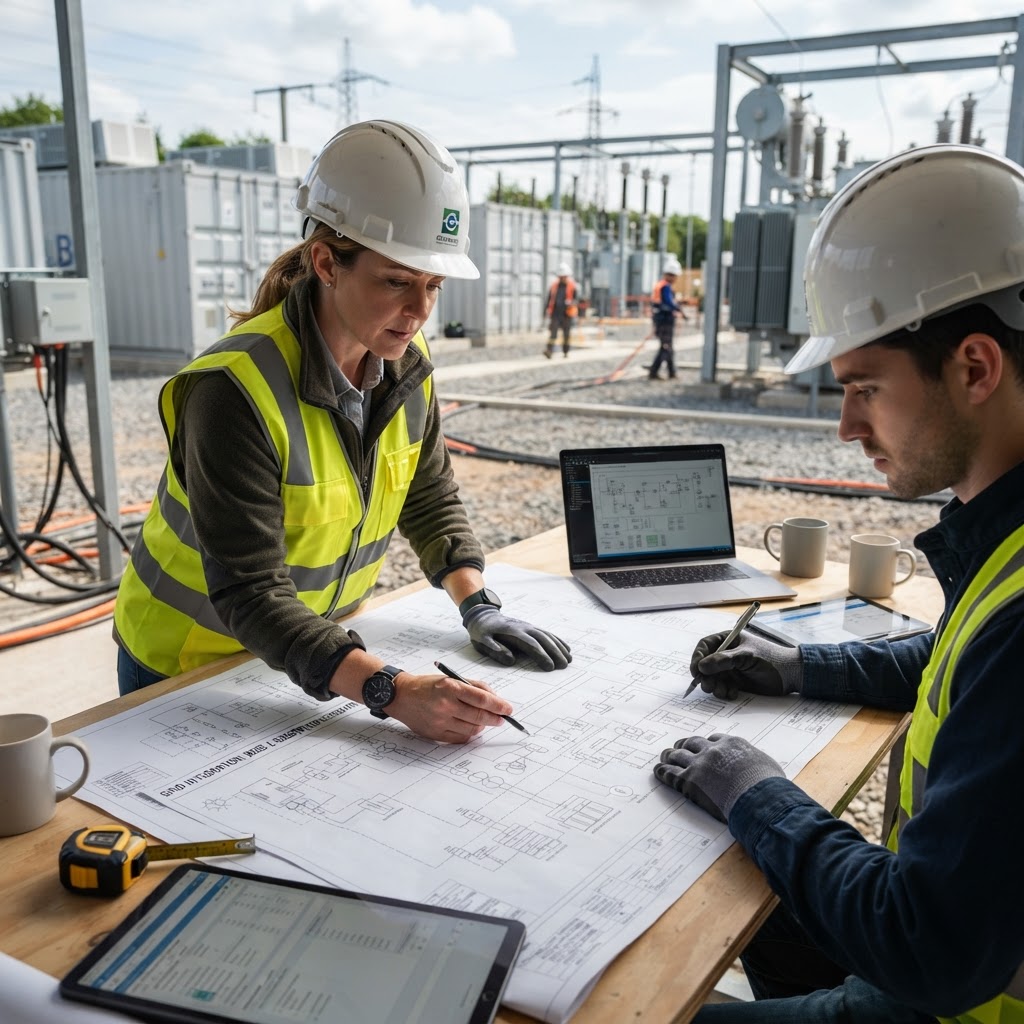
The Mid-Year Paradox: Navigating Stability Amidst High Optimism
As of July 2026, the architecture and design industry finds itself in a strange, high-stakes equilibrium. According to the 2026 Architecture Career Index: National Snapshot, 100% of surveyed firms are reporting high levels of optimism. This sentiment is driving aggressive growth targets and expansion plans. However, a significant disconnect is emerging. The Construction Momentum Hits a Plateau Mid-Year report confirms that while contractor confidence remains buoyant, nonresidential spending is beginning to show signs of a mid-year plateau. For principals and HR directors, this creates a narrow, critical window for effective firm workforce planning.
Firms that ignore this plateau risk a 'talent mismatch'—hiring for a future that may be temporarily delayed, while failing to secure the specialized roles required for current, complex projects like semiconductor fabs or high-density healthcare facilities. The goal is to align your AEC talent strategy with project stability, ensuring you have the staff to execute now while positioning yourself to capture the inevitable Q4 market shift. If you delay, the cost of acquisition for high-tier talent will skyrocket, compounding the existing challenges identified by the Bureau of Labor Statistics — Architecture & Engineering.
The Real Cost of Waiting: Why Q4 Will Be Expensive
The market for top-tier architectural talent is not cooling, despite the plateau in project starts. In cities like Austin, TX, and Phoenix, AZ, where the surge in data center and renewable energy projects remains constant, the battle for a Licensed Architect (RA) with Revit proficiency is intense. Currently, firms are already seeing upward pressure on compensation. If you are waiting for a clear sign to begin your hiring push, consider that most firms hold off until the final fiscal quarter, creating a bottleneck that drives up salaries and signing bonuses.
Market data from Engineering News-Record (ENR) consistently shows that when firms consolidate their hiring efforts into a compressed timeframe, the 'talent premium' increases by as much as 10-15%. By initiating your search during this mid-year plateau, you gain a competitive advantage in terms of both cost and candidate availability. To stay competitive, you should explore AEC salary benchmarks to ensure your offers are aligned with current market demand. Don't wait until the industry hits a Q4 surge to start your recruitment process; by then, your best candidates will already be off the market.
Rethinking Retention: Avoiding the Talent Leakage
Retention is not merely about salaries; it is about project engagement. Our data suggests that top-tier talent is leaving firms not because of compensation alone, but due to a lack of clear career mapping and involvement in high-impact work. Professionals with specific certifications—such as LEED AP for sustainable design or PMP for complex project management—are highly mobile. When they perceive that their firm is stagnating, they look elsewhere.
The most common mistake leaders make during a market plateau is pausing recruitment for specialized roles, which forces current staff to overextend and eventually leads to burnout—a primary driver of talent leakage in the AEC sector.
To combat this, integrate your retention strategies with your project pipeline. If you have active highway, water treatment, or infrastructure projects, involve your mid-level architects and engineers in the planning stages of those developments. Provide the training for software suites like Primavera P6 or BIM 360, which adds tangible value to their professional profile. To gain a deeper understanding of where your team sits, you can view the AEC Talent Index and benchmark your current retention against national standards.
Identifying High-Impact Roles for Immediate Hiring
In the current climate, not all roles carry the same weight. You need to focus on those positions that drive project delivery and profitability. While generic hiring is failing, targeted recruitment for specialized roles is thriving. Focus your architecture recruitment efforts on individuals who possess a blend of technical expertise and project leadership skills. Look for candidates with the following profiles:
- Project Architects (PA) with Revit and BIM leadership experience: Essential for the current complex multifamily housing and infrastructure boom.
- Sustainability Specialists (LEED AP / WELL AP): Critical for winning new public works and environmental projects.
- Senior Structural Engineers (PE) with experience in seismic or high-load designs: Highly sought after for semiconductor and data center construction.
- Construction Managers (OSHA 30 certified): The bridge between design intent and field execution.
By focusing on these high-impact roles now, you solidify your ability to deliver on current contracts, which protects your bottom line against the risks of a shifting market. If you are ready to identify these candidates, you can submit your search to our team for a custom analysis of current talent availability.
Building for the Q4 Shift: Strategic Workforce Planning
As we look toward the remainder of 2026, the firms that will succeed are those that maintain a flexible but aggressive stance. This means treating hiring architecture leaders as a continuous process rather than a reaction to specific project wins. The paradox of high optimism amidst a plateau is actually an opportunity to 'buy' talent when others are indecisive.
Consider the contrarian view: while most firms are waiting for the nonresidential segment to rebound before increasing their headcounts, successful firms are using this time to 'poach' the best talent from firms that are cutting back. This is the optimal time to optimize your AEC industry growth trajectory by securing the talent that will lead your firm through the next three years of infrastructure investment. Your workforce is not just an overhead expense; it is the fundamental asset that determines your capacity to win, design, and build in an unpredictable market. Stay vigilant, stay active, and stay ahead of the curve.
Sources & Further Reading
- 2026 Architecture Career Index: National Snapshot — Black Spectacles (July 22, 2026)
- Construction Momentum Hits a Plateau Mid-Year — Construction Executive (July 24, 2026)
- Bureau of Labor Statistics — Architecture & Engineering
- Engineering News-Record (ENR)
Luxus Group Research Team
AEC Industry Research