The New Standard: From IT Support to Jobsite Partner
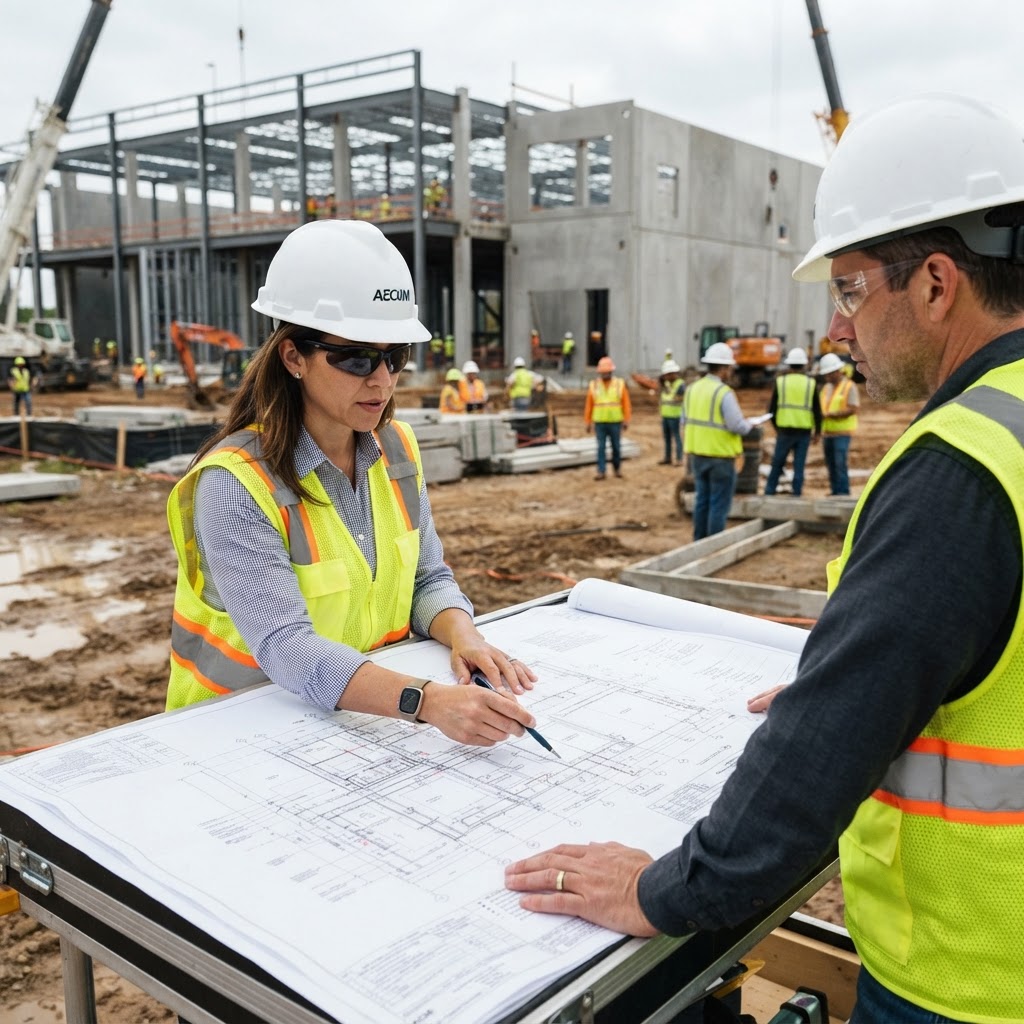
In the high-stakes world of modern construction, the gap between traditional project management and digital agility is widening. While many firms still treat artificial intelligence as a centralized IT function—a remote resource siloed within headquarters—the most competitive contractors are rewriting the playbook. Integrating AI engineering expertise directly into onsite project delivery teams is no longer a futuristic experiment; it is an urgent culture shift. For executives steering mega-infrastructure, data centers, and complex energy projects, the move to embed AI talent directly into the jobsite trailer is becoming the hallmark of top-tier performance.
Recent industry data suggests that firms failing to integrate digital workflows into their core project delivery model risk significant operational drift. As project delivery requirements move toward hyper-speed, especially in sectors like semiconductor fabrication and renewable energy, the presence of an AI engineer at the weekly schedule review is becoming as critical as a seasoned Superintendent. This evolution reflects a broader AEC culture transformation where technical literacy is elevated from a support role to a leadership-adjacent function.
Solving for Rework and Predictability
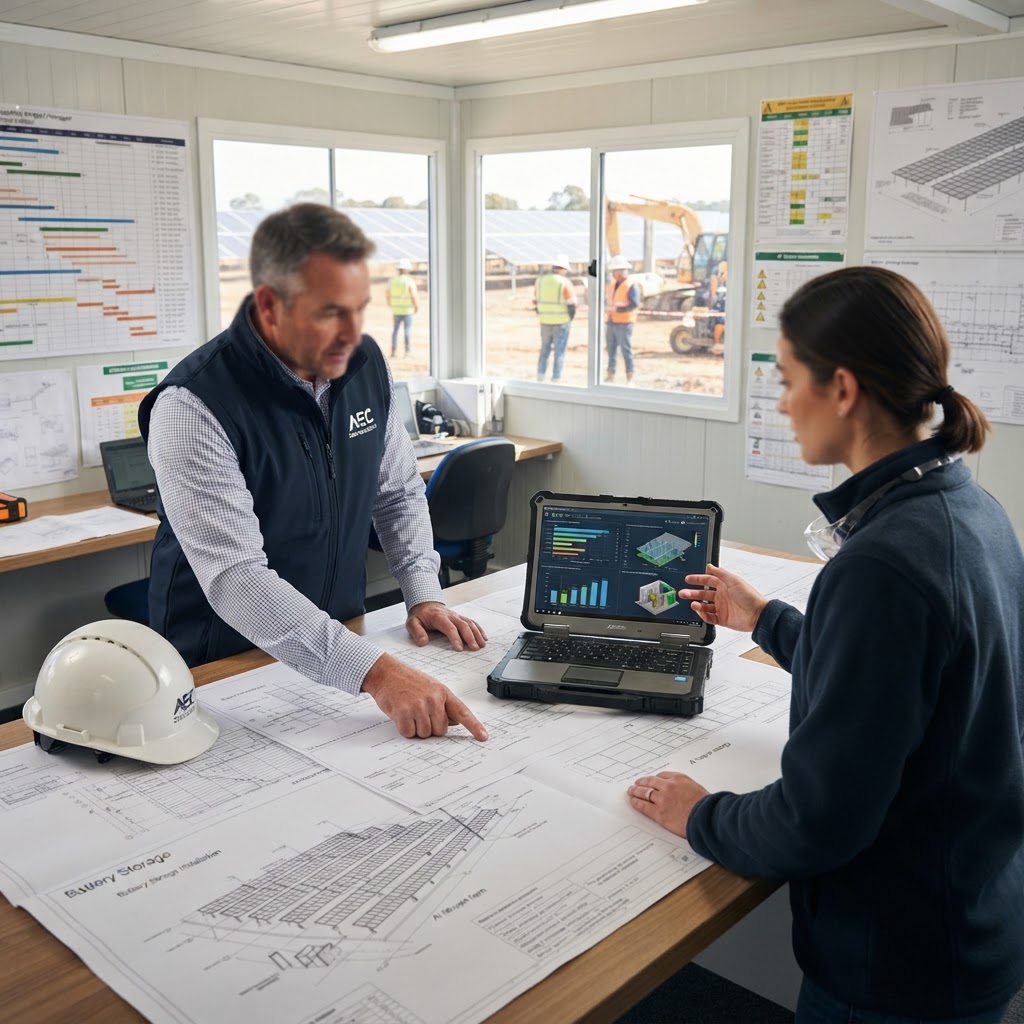
The economic imperative for this shift is clear. As noted in recent reports, Suffolk will embed AI engineers within its construction teams to address the persistent challenges of rework, schedule slippage, and fragmented data. By placing AI experts on site, firms are identifying design conflicts before they manifest in the field. When an AI engineer sits alongside a Project Manager or a Lead Civil Engineer, they aren’t just monitoring data—they are iterating on solutions for design, schedule, and process in real time.
This isn't about replacing the human element of construction. It is about augmenting it. Consider the complexity of a modern water treatment facility or a large-scale solar farm. These projects require a seamless blend of American Society of Civil Engineers (ASCE) standards and advanced algorithmic planning. When AI specialists understand the nuances of a jobsite, they can deploy tools that track procurement risks, optimize crane placement, and automate site documentation, allowing the project team to focus on high-level decision-making.
The most successful firms in 2026 are not buying more software; they are hiring talent that bridges the gap between binary code and concrete pours, ensuring that digital tools serve the jobsite, not the other way around.
The Talent War: Why Compensation is Shifting
The surge in demand for construction technology talent is creating a distinct wage premium. With AI-integrated projects, such as hyperscale data centers, driving nonresidential growth, the competition for talent is intense. We are seeing a 32% pay premium for roles involved in specialized, tech-heavy infrastructure compared to traditional commercial builds. This is a direct reflection of the value placed on individuals who hold credentials like PMP, PE, or Revit expertise, while also possessing the coding and data engineering skills to iterate on site-specific solutions.
For executives, the recruitment challenge is twofold: attracting developers who understand the physical reality of a construction site and retaining internal leaders who can translate legacy construction management into digital project delivery. If you are looking to build this capacity, submit your search to our team to identify candidates who possess the rare intersection of onsite field experience and software fluency.
Bridging the Culture Gap: A Leadership Mandate
Transitioning to an AI-integrated model is a delicate cultural operation. Many traditional project teams view new technologies with skepticism, often perceiving them as administrative burdens rather than efficiency boosters. Successful Project Directors are moving away from top-down mandates. Instead, they are fostering environments where the AI engineer is a peer to the MEP Coordinator and the Lead Architect. This is the essence of future of project management.
Leadership must emphasize that the AI professional's role is to remove the 'grunt work' of documentation and data entry, empowering the team to spend more time on value-added construction activities. Firms that treat this role as a true project partner—one who participates in safety briefings, reviews, and site walks—are seeing significantly faster adoption rates. This shift requires that firms move beyond traditional American Institute of Architects (AIA) guidance and actively rewrite internal SOPs to reflect a digital-first reality.
Identifying the Right Skill Sets for Your Site
What does a successful 'AI engineer on the jobsite' actually look like? They are not necessarily pure programmers. Often, the most effective hires are civil or mechanical engineers who have pursued advanced certifications in data science, machine learning, or BIM integration. They are comfortable utilizing Primavera P6 for complex scheduling while simultaneously scripting an automated check to detect clashes in 3D models. They are equally at home discussing an OSHA 30 compliance concern as they are troubleshooting a connectivity issue with a field-deployed sensor network.
When evaluating AI engineer recruiting strategies, prioritize candidates with specific experience in high-growth project types: pipelines, highway infrastructure, and massive electrical-intensive facilities. The ability to work across disciplinary lines—bridging the gap between the field crew and the digital hub—is the defining skill of this new era of construction professionals.
Future-Proofing Your AEC Firm
The construction industry has historically been one of the slowest to adopt disruptive digital tools, but the pace of change in 2026 is unprecedented. The firms that will dominate the coming decade are those currently building the organizational structures to accommodate this AEC workforce innovation. Whether you are an EPC firm or a lead contractor in commercial development, the integration of AI is not a trend to be monitored from afar; it is a capability to be built in-house.
To compete effectively, leadership must begin benchmarking their own teams against the current market. Review your current compensation structures and project delivery workflows to see if they align with the needs of a digital-ready workforce. Use the latest data to inform your decisions and ensure your firm remains an employer of choice for the next generation of construction leaders. To see how your team stacks up, view the AEC Talent Index and ensure your strategy remains ahead of the curve.
Sources & Further Reading
Luxus Group Research Team
AEC Industry Research